
cost of mirror glass
The Importance of Level Manufacturer in the Industrial Ecosystem In today's competitive industrial landscape, the role of a level manufacturer cannot be overstated. As industries evolve and technologies advance, the demand for high-quality level instruments has surged, highlighting the critical position that level manufacturers hold in ensuring operational efficiency and safety in various sectors. Level manufacturers specialize in producing instruments that measure the level of liquids, slurries, and solids in various applications. These devices are vital in industries such as oil and gas, water and wastewater management, food and beverage production, pharmaceuticals, and many others. The accuracy and reliability of these instruments directly impact production processes, inventory management, and compliance with safety regulations. One of the primary functions of level manufacturers is to innovate and provide advanced solutions that meet the diverse needs of their clients. As industries face challenges such as increasing regulatory requirements and the need for sustainability, manufacturers are tasked with developing cutting-edge technologies. For instance, modern level measurement devices now incorporate smart technologies that allow real-time monitoring and data collection. This not only enhances accuracy but also boosts operational efficiency, leading to significant cost savings. level manufacturer Moreover, level manufacturers play a vital role in ensuring safety in industrial operations. For example, in chemical processing plants, precise level measurement is crucial to prevent overflows, spills, and potential catastrophic failures. By investing in reliable level instruments, companies can mitigate risks and protect their employees, assets, and the environment . Therefore, the collaboration between companies and level manufacturers is essential in promoting a safety-first culture across industries. The global market for level measurement devices is expanding rapidly, driven by industrial growth and technological advancements. Level manufacturers are continuously exploring new markets, adapting to varying standards, and developing products tailored to specific applications. This adaptability is vital for manufacturers looking to thrive in an ever-changing landscape. Additionally, with the rise of the Internet of Things (IoT), level manufacturers are now focusing on creating connected devices that integrate seamlessly with existing systems, enabling predictive maintenance and higher operational reliability. Customer support and training are also integral components of a level manufacturer's value proposition. Providing clients with the necessary training on how to properly use and maintain level instruments ensures optimal performance and longevity. Moreover, ongoing technical support fosters long-term relationships between manufacturers and their clients, resulting in a more satisfied and loyal customer base. In conclusion, level manufacturers are essential players in the industrial ecosystem, providing the tools necessary for accurate measurement and effective process control. Their commitment to innovation, safety, and customer support not only enhances operational efficiency but also contributes to the overall growth and sustainability of the industries they serve. As we move toward a more technologically advanced future, the significance of level manufacturers will only continue to rise.
about
cost of mirror glass
Understanding Thread Plug Gauge Standards Thread plug gauges are essential tools in the manufacturing and quality control industries, primarily used to ensure the integrity of threaded components like screws, bolts, and nuts. These gauges help verify whether the threads conform to established specifications, ensuring that components fit together correctly and function as intended. A thorough understanding of thread plug gauge standards is crucial for engineers, manufacturers, and quality assurance professionals. What is a Thread Plug Gauge? A thread plug gauge is a measuring tool designed specifically to assess the form and fit of internal threads. The gauge features a tapered shape for easy insertion into the threaded holes. There are two primary types go gauges and no-go gauges. The go gauge checks whether a component's features are acceptable, while the no-go gauge ensures that the part does not exceed maximum tolerances. Importance of Thread Plug Gauge Standards The standards governing thread plug gauges ensure uniformity and quality across various industries. For manufacturers, adherence to these standards minimizes the risk of parts failing during operation due to incorrect thread specifications. For instance, a misthreaded bolt can lead to catastrophic failures in machinery or structures. Thus, standardized gauges significantly enhance safety and reliability in engineering applications. Common Standards Organizations Several organizations establish international standards for thread plug gauges, including the American National Standards Institute (ANSI), the International Organization for Standardization (ISO), and the Deutsches Institut für Normung (DIN). These organizations outline specific requirements, such as thread dimensions, tolerances, and testing methods. For example, the ISO 1502 standard specifies the basic dimensions and tolerances for metric screw threads, including those used in thread plug gauges. thread plug gauge standard Key Parameters in Thread Plug Gauge Standards Thread plug gauge standards encompass several critical parameters, including 1. Thread Profile The profile must match the specified design, whether it’s Unified National Thread (UNC/UNF), Metric (M), or other international standards. 2. Pitch Diameter This is the diameter at which the thickness of the thread and the distance between the threads are balanced. It’s a vital measurement for ensuring that the threads mesh properly. 3. Tolerances These are limits established for how much variation from the base dimensions is acceptable. Tolerances ensure that parts fit together properly without excessive play or interference. 4. Material Specifications Thread plug gauges must be made from durable materials, typically high-grade steel or carbide, to withstand wear and tear during repeated use. 5. Calibration Regular calibration against defined standards is essential to maintain accuracy over time. This process ensures that measurements remain reliable throughout their service life. Conclusion In conclusion, thread plug gauge standards play a vital role in maintaining the quality and safety of threaded components across various industries. By adhering to these standards, manufacturers can ensure that their products meet stringent quality requirements, ultimately leading to more reliable and effective applications. As technology advances and the complexity of engineering designs increases, an understanding of these standards will remain crucial for those involved in the production and quality assurance of threaded components. Without such standards, the risk of failures due to improper threads would greatly increase, highlighting the undeniable importance of standardized practices in engineering and manufacturing.
-

High quality industrial productsagement

High quality industrial products
View Details -

Meet the diverse needs of customers

Meet the diverse needs of customers
View Details -

Strict quality control

Strict quality control
View Details -

Top raw materials

Top raw materials
View Details -

Trusted supplier

Trusted supplier
View Details
Our application
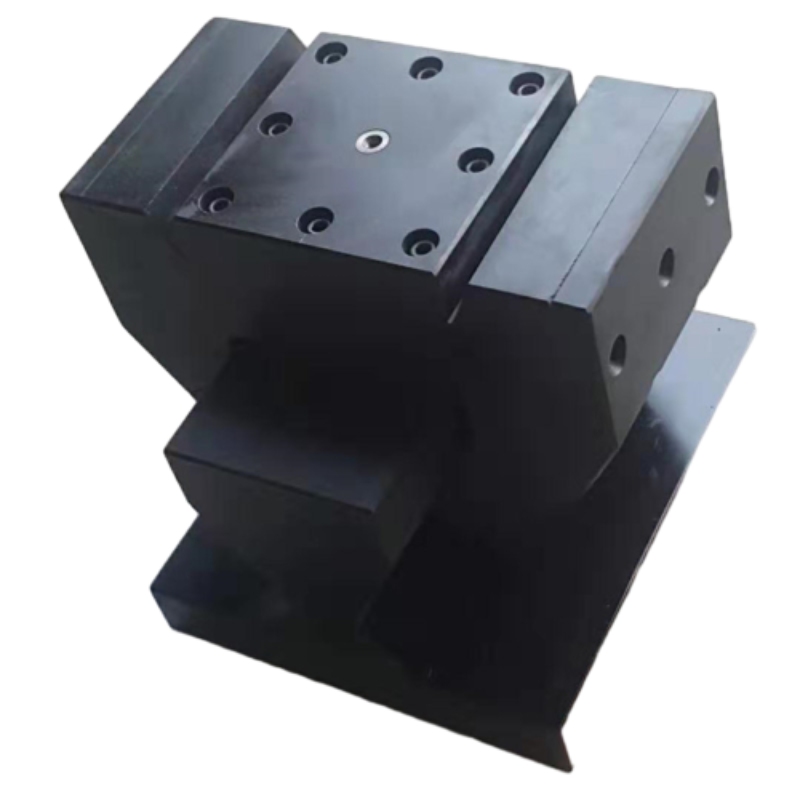
news and information
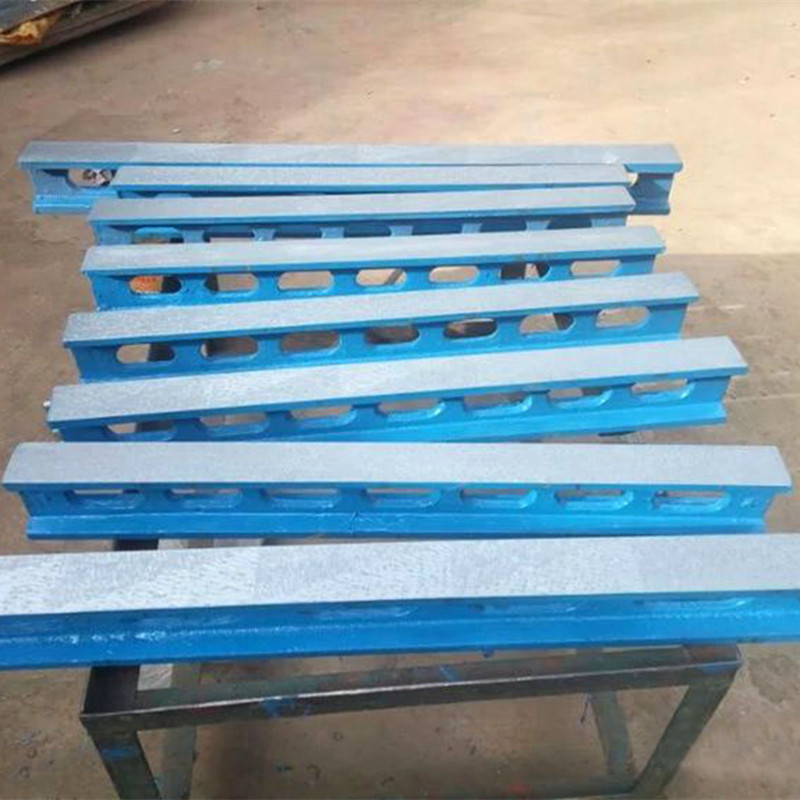
welding fabrication table
Welding and Fabrication An Essential Guide to Techniques and Applications Welding and fabrication ar
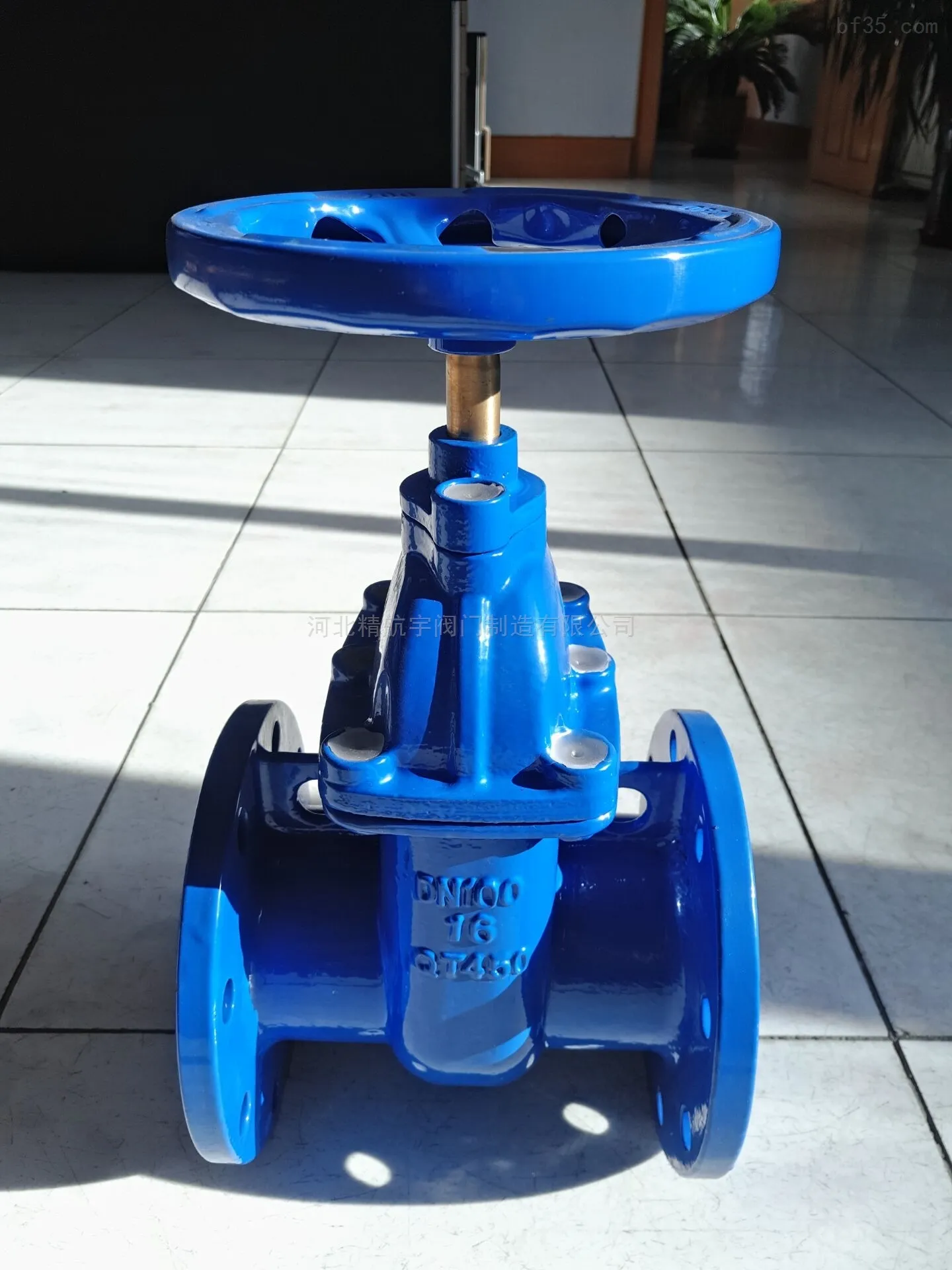
welding workbench
The Welding Workbench Essential Equipment for Metal Fabrication Welding is a fundamental process in

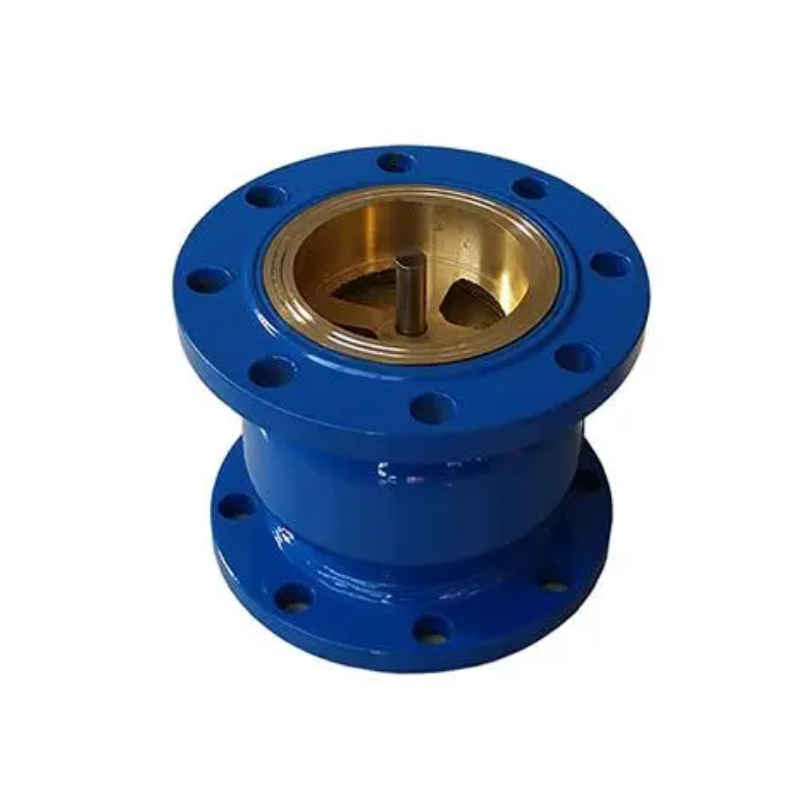
Water valve with a flow rate of 0.5% for efficient water control.
Water valves are an essential part of any plumbing system. They control the flow of water, allowing
 English